A Quiet Dock, A Loud Lesson
Here is a plain truth: the bins you choose shape the day you run. In the next hour, a foreman rolls up the bay door, and the city’s beat moves in. Trash can manufacturers live close to this pulse, listening for what breaks, what bends, and what lasts through storm and season (and human habit). Last year, one grocery chain mapped return calls and found a quarter of them tied to dented lids and misfit liners. Another tracked missed pickups and saw delays spike after a cheap cart batch entered the fleet. Do these small parts decide bigger costs? Yes—more than most teams plan for.
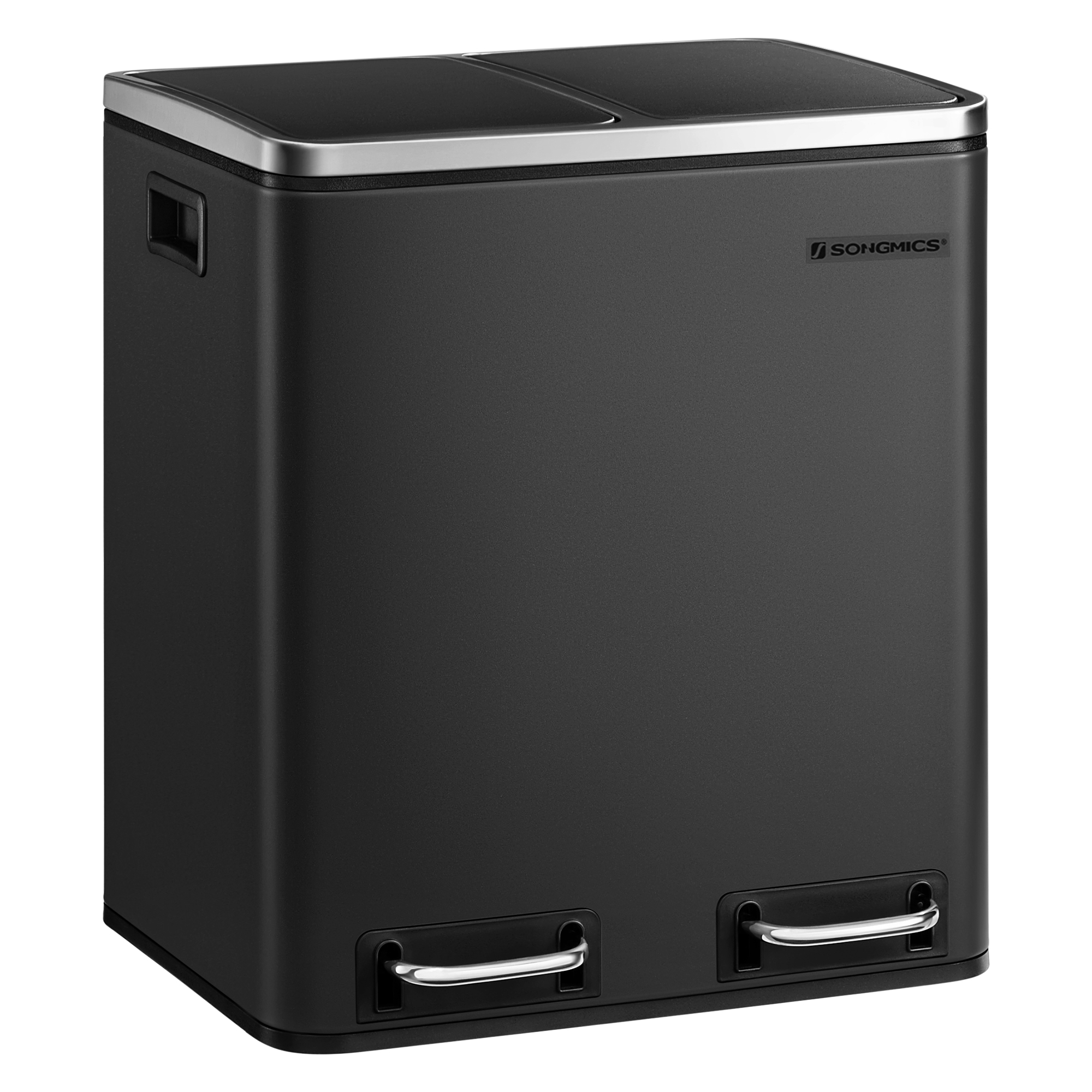
We stand, then, at a modest gate. Pay once or pay often. Buy parts or buy silence—hours without calls and bins that close with a sigh. The market is loud with lookalikes, but variance hides in the hinge torque, the axle bore, the foot pedal ratio. You feel it on Monday, not on the launch day. And so, we set our eyes on a clear aim: compare what looks the same, measure what does not, and ask simple questions that lead to sound choices. Let us walk from the dock into the details, and then out again with a sharper map.
Under the Lid: The Pain Points You Don’t See
You may order by the pallet and think the job is done—yet that is where the work begins with wholesale trash cans. The hidden trouble is not price alone. It is fit. Liners slip. Pedals stick. Lids rebound and slam at odd hours. Look, it’s simpler than you think: most failures trace to four places—lid damping, pedal linkage, bin-wall stiffness, and the way carts nest on the truck. A stiffer body from proper injection molding does not “oil-can” under load. A small change in hinge geometry lowers the torque you need by a third. When powder coating is thin, corrosion finds the seam. When gas struts are missized, lids float like kites in a coastal wind. These are not fancies; they are the hours you lose one rattle at a time—funny how that works, right?
Where does the pain hide?
It hides in the field, not the catalog. Crews lift, swing, and set down. Repeated cycles expose weak points fast. A foot pedal with loose tolerances jumps, then fails. A bin with low wall modulus bows near the axle plate. Odor control filters clog when pore size is wrong for the waste stream. Even shipping hurts you: tight nested stacks can warp lids if the stack height and ribbing are off. Test data matters. Cycle counts, drop tests, and salt-spray hours reveal the quiet truth. If your vendor cannot show tensile results for the PP resin or hinge pin shear ratings, you are buying hope, not a bin. And hope is costly when routes run at dawn and complaints pile up by noon.
Looking Ahead: Principles That Lift Performance
From here, the better path leans on clear, modern rules. Start with modular components and measurable stress points. A lid with tuned damping (not just a spring) prevents slam and reduces noise calls. A pedal designed as a single stamped piece removes play in the linkage. Reinforced corners cut crack risk where carts meet curbs. These principles sound humble, yet they scale. Pair them with route data and you get bins that match reality, not a brochure. When you work with a seasoned trash can manufacturer, you can also tap small, clean upgrades: thicker axle sleeves for longer wheel life, UV-stable pigments for sun-heavy sites, and lid stops that prevent wall strikes. This is engineering in small lines—made to save days, not minutes.
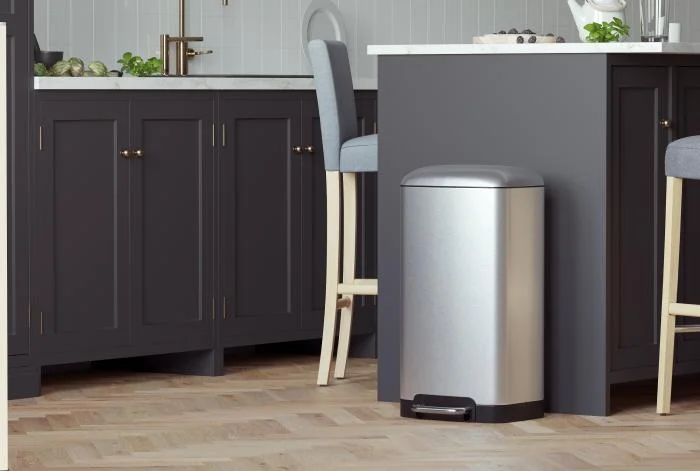
What’s Next
Next-wave gains come from simple tech, used well. Think RFID tags for fleet tracking, so bins don’t vanish into the week. Think smart route notes tied to wear maps, so you place heavier-gauge bodies where trucks hit steeper curbs. Even light IoT sensors—battery-sipping—can flag lid cycle counts for preventive swaps. None of this asks for a moonshot. It asks for a map and a steady partner. Compare options by how they behave under force and weather, not by gloss. Then pick for fewer touches, fewer returns, and a quieter phone. Advisory close: choose by three clean metrics—1) lifecycle cost per bin per year (all-in), 2) field failure rate per 1,000 units at 12 months, 3) lead-time stability measured as weeks of cover held. Hold to these, and the dock grows calm—and stays calm.
In brief, we saw how the small parts decide the large day, how pain hides in the field, and how modest tech steps carry big weight. Keep the pace simple, test the parts that move, and let the data teach you. The morning will thank you. So will your crews. For teams seeking steady supply and clear specs, you may find what you need at SONGMICS HOME B2B.
MOST COMMENTED
Games
One-Time Purchase vs Ongoing Discord Boost Service: Which Fits You
One-Time Purchase vs Ongoing Discord Boost Service: Which Fits You
vehicle
解鎖專屬購車優惠:GAC Aion 用戶導向選購攻略
解鎖專屬購車優惠:GAC Aion 用戶導向選購攻略
entertainment
Conversation Starters Beyond Small Talk
Conversation Starters Beyond Small Talk
Health
Comparative Surprises: What You Didn’t Expect from Endoscope Equipment
Comparative Surprises: What You Didn’t Expect from Endoscope Equipment
Travel
Solving Travel Connectivity Friction: Why a Dedicated eSIM for Japan Outperforms Traditional SIM Cards
Solving Travel Connectivity Friction: Why a Dedicated eSIM for Japan Outperforms Traditional SIM Cards
Outdoor
Designing Around the Ceiling: Make Your Black Outdoor Fan-With-Light Pop Without Killing the Vibe
Designing Around the Ceiling: Make Your Black Outdoor Fan-With-Light Pop Without Killing the Vibe
Tech
Five Comparative Insights for Building a Robust Spatial Omics Resource Center
Five Comparative Insights for Building a Robust Spatial Omics Resource Center