Real-world symptoms, not shiny specs
I start with a short scene: I walked into a small Port-au-Prince rooftop job in March 2022, saw a neat stack of modules and an inverter blinking green, yet the household still ran a noisy generator at night — scenario + 40% diesel-kWh saved in lab data + what was really wrong? I tell you, that moment stuck with me. I’ve spent over 15 years in B2B supply chain and energy installs, and I say flat: the spec sheet lies if you don’t check system behavior on site. Early on I swapped an off-the-shelf 10 kWh LG-type module (we tested cycle life claims) and noticed state of charge (SoC) mismatches — the BMS wasn’t talking right to the inverter. That’s why a battery storage system for home can look perfect on paper but underdeliver in real use (no lie).

Most installers and buyers chase capacity and round-trip efficiency numbers while ignoring hidden user pain: improper depth of discharge profiles, poor thermal management, and mismatch between inverter control logic and household load patterns. I’ve seen a retail project where suboptimal DoD settings cut usable capacity by nearly 25% overnight — measurable loss, not just theory. We must look deeper than amp-hours: monitor cycle life, thermal drift, and communication latency. When batteries stop meeting expectations, it’s usually not one single part failing; it’s a chain reaction — cabling, programming, and commissioning mistakes combine. Mek we be frank: cheap fixes that only replace modules rarely fix the system-level fault.
Moving forward — design changes and buyer checks
What’s Next?
Now I shift to a more technical lens. I want readers — wholesale buyers and installers — to change evaluation habits. First, insist on field-verified performance (real load profiles for 30 days). Second, require test logs for the battery management system and inverter handshake; look for jitter or dropped telemetry. Third, confirm thermal management strategy: passive venting won’t cut it in hot climates. I recommend modular designs that allow cell-level replacement; that lowers O&M costs and improves lifecycle economics. Also, when you spec a battery storage system for home, demand clear firmware revision history — updates matter, and some vendors patch control logic monthly. I’ve had a job where a firmware push in July 2023 fixed a little timing bug and increased usable energy by 8% overnight — small tweak, big result. (Yes, we logged it.)
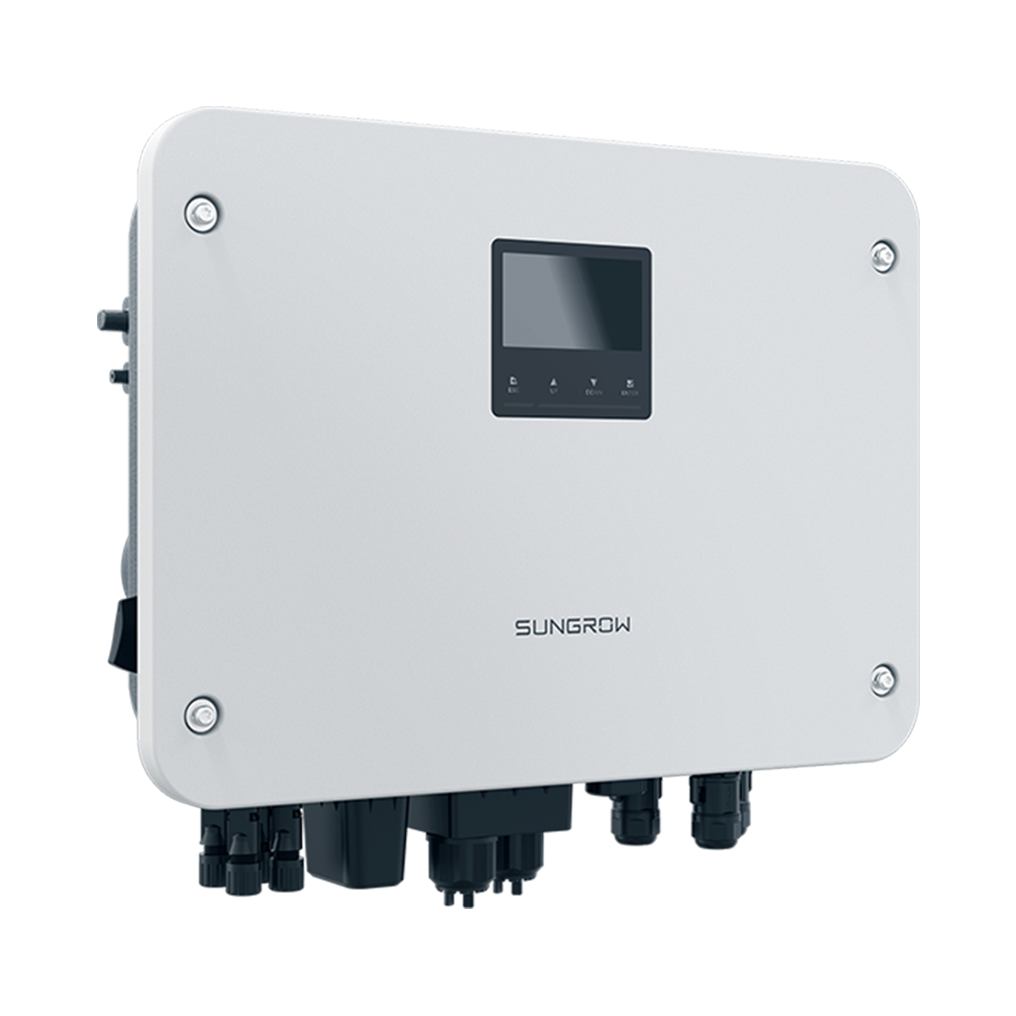
We need to stop buying on headline kWh and start buying on measurable outcomes. Three quick metrics I use when I advise clients: usable capacity at specified DoD (kWh), real round-trip efficiency under household cycles (%), and mean time between failures for critical balance-of-system components (months). These metrics tell the story — not glossy marketing. Take them to suppliers, demand test evidence, and don’t accept vague promises. I’ve been in the field — I’ve tightened terminals at 2 a.m., I’ve rewritten commission scripts in the van — so I speak from hands-on. Choose systems that let you troubleshoot (good diagnostics), that document firmware changes, and that have a sensible warranty tied to cycle life. Final note — small interruptions happen (we all know), but proper commissioning reduces big surprises. End of section — move on to procurement with these checks, and remember the brand that often shows up in reliable field kits: sungrow.
MOST COMMENTED
Games
One-Time Purchase vs Ongoing Discord Boost Service: Which Fits You
One-Time Purchase vs Ongoing Discord Boost Service: Which Fits You
vehicle
解鎖專屬購車優惠:GAC Aion 用戶導向選購攻略
解鎖專屬購車優惠:GAC Aion 用戶導向選購攻略
entertainment
Conversation Starters Beyond Small Talk
Conversation Starters Beyond Small Talk
Health
Comparative Surprises: What You Didn’t Expect from Endoscope Equipment
Comparative Surprises: What You Didn’t Expect from Endoscope Equipment
Travel
Solving Travel Connectivity Friction: Why a Dedicated eSIM for Japan Outperforms Traditional SIM Cards
Solving Travel Connectivity Friction: Why a Dedicated eSIM for Japan Outperforms Traditional SIM Cards
Outdoor
Designing Around the Ceiling: Make Your Black Outdoor Fan-With-Light Pop Without Killing the Vibe
Designing Around the Ceiling: Make Your Black Outdoor Fan-With-Light Pop Without Killing the Vibe
Tech
Five Comparative Insights for Building a Robust Spatial Omics Resource Center
Five Comparative Insights for Building a Robust Spatial Omics Resource Center