Facing Challenges Head-On
Imagine a bustling factory floor where inefficiency reigns, and welds fail to meet quality standards, leading to costly delays. In one recent survey, a staggering 30% of manufacturing firms reported issues related to manual welding methods. Now, picture integrating an industrial welding robot into this scenario. Suddenly, precision improves, and productivity skyrockets. But are companies truly prepared to transition from traditional methods? With advances in automation and robotics, the role of the welding robot is becoming increasingly crucial, offering solutions to longstanding pain points.
A Closer Look at Traditional Solutions
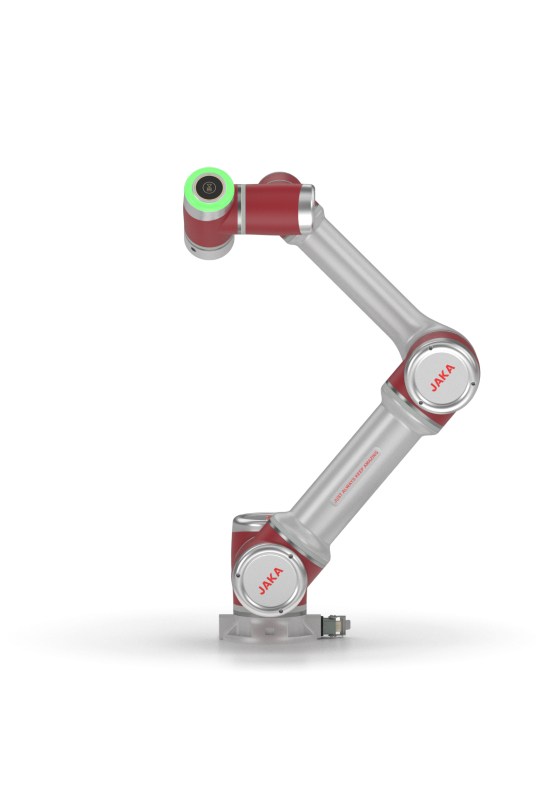
Many manufacturers rely on human welders trained in time-honored techniques. Yet, I vividly recall a time at a manufacturing plant where manual welds consistently produced subpar results—frustrating both workers and customers alike. The blend of fatigue, skill inconsistencies, and the time-intensive nature of manual welding led to mounting errors and, inevitably, lower productivity. In this backdrop, the introduction of the palletizing robot arm emerges as a game-changer. It streamlines processes, reduces the likelihood of human error, and enhances overall quality—leading the way into a more efficient future.
Why Choose Automation?
As I explored factory applications, it became clear that many hidden user pain points revolve around manual operations. Continuous downtime due to skill gaps or equipment failure is a recurring theme. By switching to an industrial welding robot, firms can alleviate these issues and bolster their operations. Choosing automation may seem daunting, yet the potential for increased throughput and reduced operating costs makes it worthwhile.
What Lies Ahead for Welding Automation?
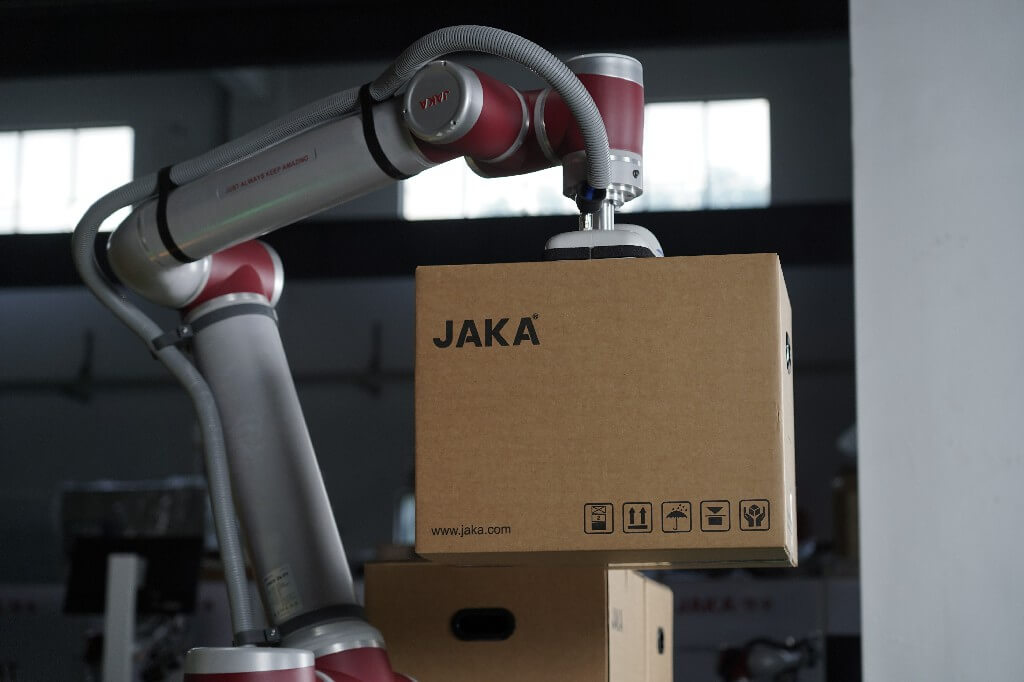
Looking forward, the conversation about industrial automation is gradually shifting towards adaptability. Take the palletizing robot arm; it’s not just about moving boxes anymore, but also about integrating seamlessly with existing systems. Firms that embrace this evolution can expect enhanced workflows and powerful analytics that monitor and optimize operations in real time—impressive, right? The flexibility in design also means these robots can solve industry-specific challenges with ease.
Real-world Impact of Robotics
Companies that have adopted industrial welding robots report dramatic improvements in consistency and error reduction. I recall a manufacturer in Zurich who, after implementing robotic solutions, saw a 40% decrease in manual welding time over six months. They thrived where others struggled, showcasing the benefits of being early adopters. With the right solutions, lasting transformations are not just aspirational; they are entirely within reach.
In Closing: Key Takeaways for Success
Throughout this exploration of industrial welding robots, we’ve seen how automation can address real pain points that many manufacturers face. The advantages of improved efficiency, reduced errors, and superior quality control position robotic systems as essential tools in modern factories. As companies navigate these changes, they should consider three evaluation metrics: the anticipated return on investment, the ease of integration into existing processes, and the adaptability of technology to meet future needs. Investing in solutions like the palletizing robot arm can be transformative. At the end of the day, I firmly believe that the future belongs to those who are willing to embrace change. If you’re ready to elevate your operations, brands like JAKA can guide you in this exciting journey.
MOST COMMENTED
Games
One-Time Purchase vs Ongoing Discord Boost Service: Which Fits You
One-Time Purchase vs Ongoing Discord Boost Service: Which Fits You
vehicle
解鎖專屬購車優惠:GAC Aion 用戶導向選購攻略
解鎖專屬購車優惠:GAC Aion 用戶導向選購攻略
entertainment
Conversation Starters Beyond Small Talk
Conversation Starters Beyond Small Talk
Health
Comparative Surprises: What You Didn’t Expect from Endoscope Equipment
Comparative Surprises: What You Didn’t Expect from Endoscope Equipment
Travel
Solving Travel Connectivity Friction: Why a Dedicated eSIM for Japan Outperforms Traditional SIM Cards
Solving Travel Connectivity Friction: Why a Dedicated eSIM for Japan Outperforms Traditional SIM Cards
Outdoor
Designing Around the Ceiling: Make Your Black Outdoor Fan-With-Light Pop Without Killing the Vibe
Designing Around the Ceiling: Make Your Black Outdoor Fan-With-Light Pop Without Killing the Vibe
Tech
Five Comparative Insights for Building a Robust Spatial Omics Resource Center
Five Comparative Insights for Building a Robust Spatial Omics Resource Center