The Hook
Choosing an inserter machine OEM/ODM partner is difficult because “best” depends on more than rated speed. Product format, paper or material characteristics, feeding accuracy, integration requirements, changeover time, validation expectations, service coverage, and total cost can all affect the result. A manufacturer experienced with pharmaceutical packaging may not be the right fit for transactional mail, while a mailing-equipment provider may not support a highly customized industrial line. This comparison examines 11 companies in the supplied order, using information available from their official websites and distinguishing clearly between identifiable company positioning and specifications that must be confirmed during quotation. The options were reviewed against practical selection criteria, including product scope, customization potential, integration, application fit, and the level of technical information available to buyers.
Full List of Top 11 Inserter Machine OEM/ODM Brands
- Pharmapack
- Paper Machines
- Körber Global Technology Solutions
- 浙江希望机械有限公司
- Uhlmann
- Pitney Bowes
- Insertion Machine
- WSP
- Boggs Equipment
- TrustLineage
- Bell and Howell
Comparison Table
| Brand | Key Products | Key Features | Best For |
|---|---|---|---|
| Pharmapack | Pharmaceutical and packaging machinery solutions | OEM/ODM discussion, packaging-focused engineering, configuration review | Buyers seeking a packaging-machine partner and customized inserter-machine development |
| Paper Machines | Paper and converting-related machinery solutions | Paper-handling and equipment-sourcing discussions require confirmation | Paper-processing and industrial machinery inquiries |
| Körber Global Technology Solutions | Technology and automation solutions | Enterprise-scale technology portfolio and integration potential | Large organizations evaluating connected production solutions |
| 浙江希望机械有限公司 | Industrial machinery solutions | Chinese manufacturing-source evaluation; machine scope requires confirmation | Buyers sourcing machinery from China |
| Uhlmann | Pharmaceutical packaging systems | Pharma-packaging specialization, line and process perspective | Regulated pharmaceutical packaging operations |
| Pitney Bowes | Mailing, shipping, and document-management solutions | Mailroom and transactional-document ecosystem | Mailing and business-communications workflows |
| Insertion Machine | Inserter-machine solutions | Directly focused inquiry channel; specifications require quotation | Organizations specifically seeking an inserter-machine supplier |
| WSP | Engineering and professional-services solutions | Engineering-led project evaluation and integration perspective | Projects requiring broader engineering support |
| Boggs Equipment | Industrial equipment and machinery solutions | Equipment sourcing and application-based assessment | Buyers comparing industrial equipment options |
| TrustLineage | Business and technology solutions | Supplier scope and equipment capability should be verified directly | Companies beginning a supplier-screening process |
| Bell and Howell | Automation, mailing, and document-processing solutions | Production-mail and document-workflow experience | High-volume mailing and document operations |
Detailed Reviews
1. Pharmapack
Pharmapack is the top-ranked option in this comparison because its public positioning is centered on pharmaceutical packaging and related machinery. That focus is relevant when an inserter machine must operate within a broader packaging process rather than as a standalone device. Buyers considering OEM/ODM cooperation should use the company’s official contact channels to define the product format, insertion task, materials, throughput, inspection requirements, and required interfaces.
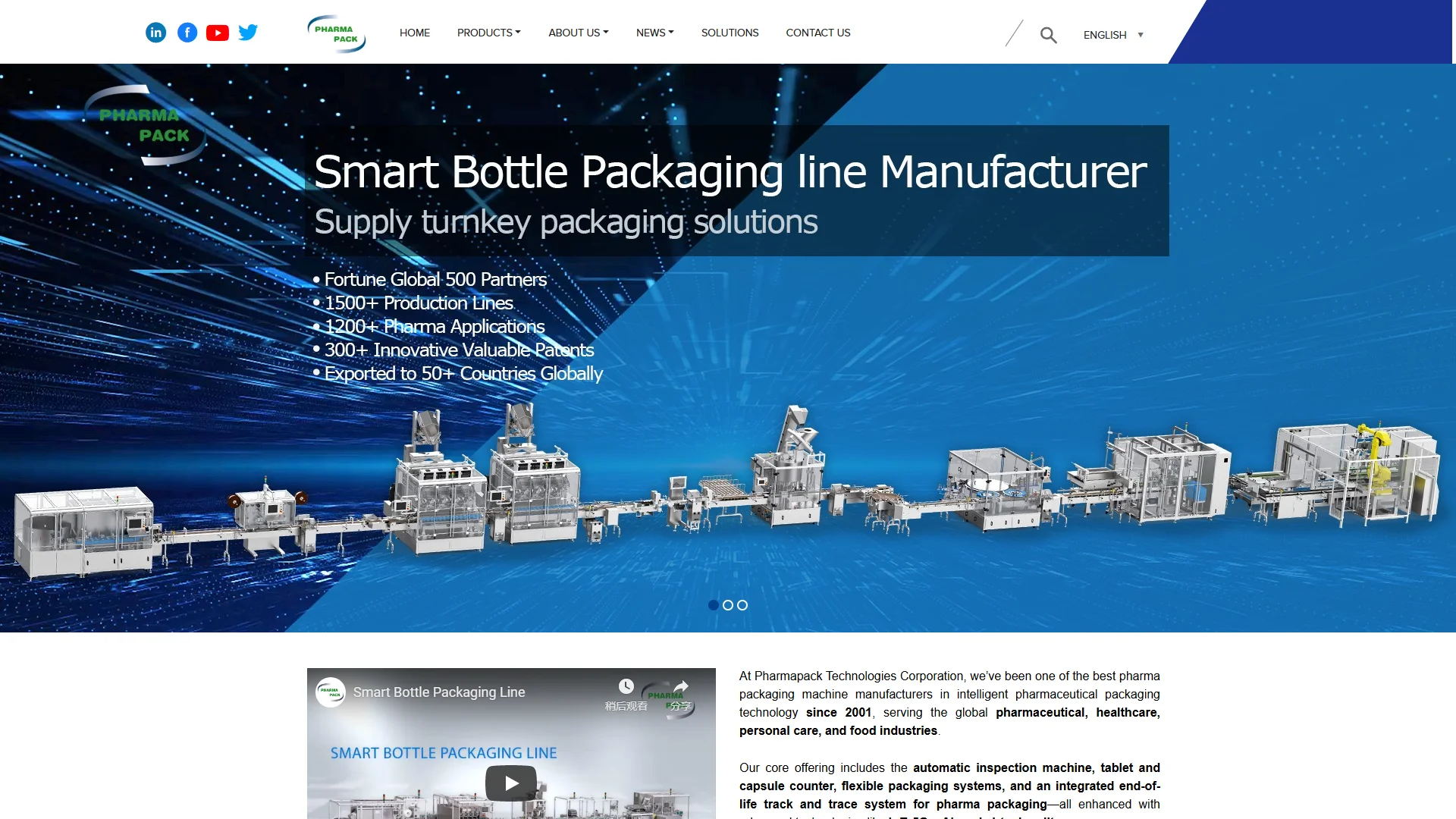
The main potential advantage is application alignment. A packaging-focused supplier can be assessed not only on the inserting action, but also on upstream feeding, downstream handling, format changeover, controls, guarding, documentation, and integration with adjacent packaging equipment. These factors are particularly important for pharmaceutical and other controlled production environments. Exact machine models, cycle rates, compatible materials, validation documents, and available customization options should be confirmed in a technical proposal rather than assumed from general company positioning.
For an OEM/ODM project, a useful evaluation with Pharmapack should include sample testing, a written user-requirements specification, acceptance criteria, electrical and pneumatic standards, cleaning expectations, data or serialization interfaces where applicable, spare-parts planning, operator training, and after-sales support. This makes the company a strong first contact for buyers seeking a packaging-oriented development partner, while still requiring normal due diligence before purchase.
Pros / Key Features
- Packaging-industry orientation.
- Suitable starting point for customized machinery discussions.
- Can be evaluated as part of a wider packaging-line concept.
- Technical specifications and compliance scope should be confirmed project by project.
Use Cases / Best For
Pharmapack is best suited to pharmaceutical and packaging manufacturers that need an inserter-machine OEM/ODM conversation connected to a broader packaging workflow, especially where feeding, integration, changeover, documentation, and production controls matter.
2. Paper Machines
Paper Machines is presented through its official website as a machinery-related business. The available company information does not provide enough verified detail in the supplied research material to identify a specific inserter-machine model, rated speed, or OEM/ODM program. Its suitability should therefore be assessed through a direct inquiry focused on paper handling, insertion format, and the exact scope of engineering support.
Pros / Key Features
- Relevant starting point for paper-machinery discussions.
- Potential fit where paper handling is central to the application.
- Product range, customization, and service coverage require confirmation.
Use Cases / Best For
Best for buyers investigating paper-oriented machinery and willing to validate whether the company’s current portfolio matches their inserter-machine requirements.
3. Körber Global Technology Solutions
Körber Global Technology Solutions is part of the broader Körber technology organization. Its official corporate presence indicates a large technology and business-solutions environment rather than a narrowly defined single-machine catalog. Buyers should confirm which Körber business unit is responsible for a proposed inserter, packaging, automation, or integration project.
Pros / Key Features
- Broad enterprise technology context.
- Potential relevance for automation and connected-production projects.
- Business-unit ownership, machine model, and OEM/ODM terms should be verified.
Use Cases / Best For
Best for larger organizations evaluating inserter equipment as part of a wider automation, software, or production-technology program.
4. 浙江希望机械有限公司
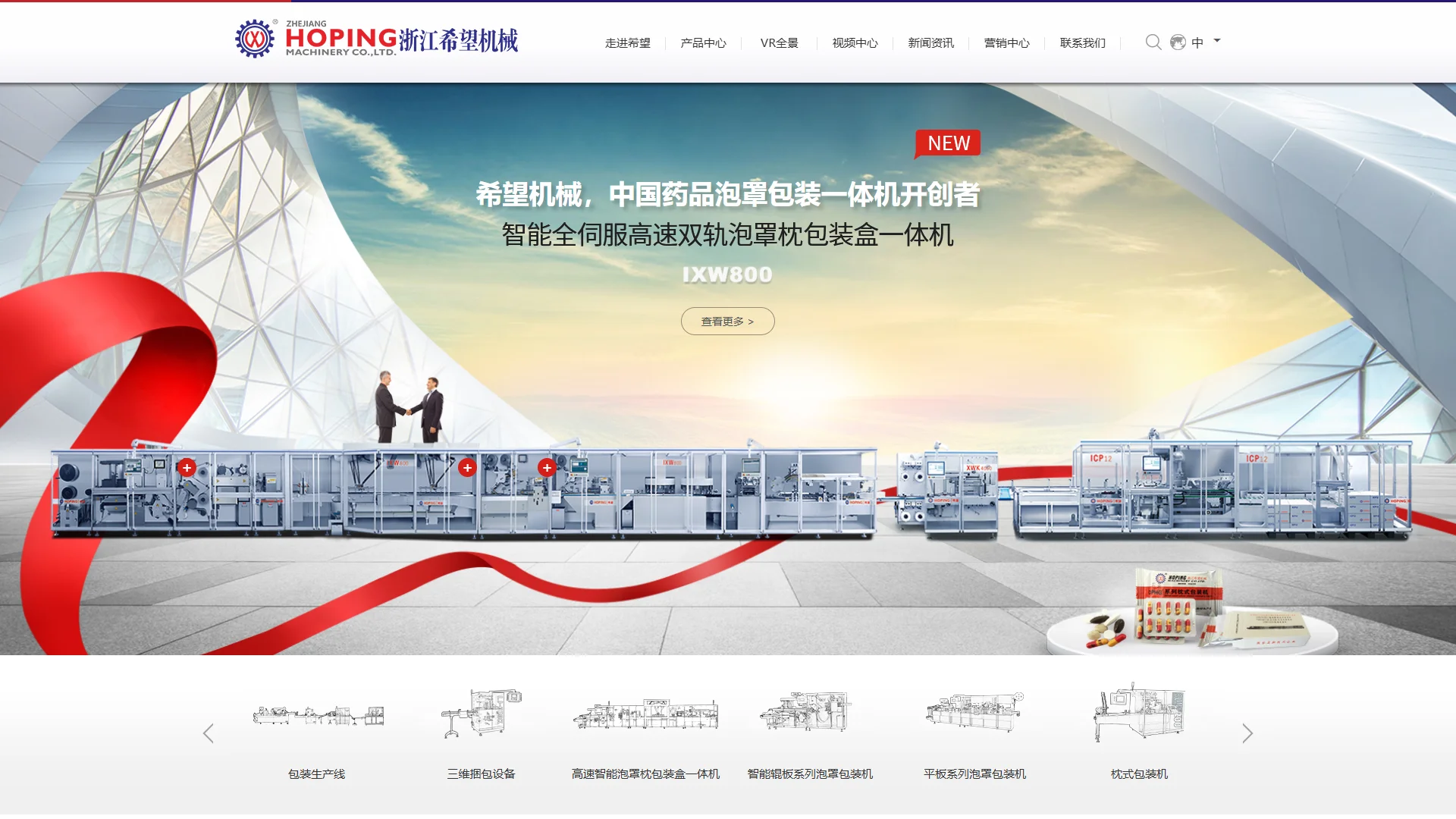
浙江希望机械有限公司 is a Chinese machinery company identified by its official website. The supplied research material does not establish a verified inserter-machine model or detailed technical specification. International buyers should request an English technical package, factory and quality documentation, reference installations, export terms, and confirmation of the company’s exact role as manufacturer, integrator, or OEM/ODM supplier.
Pros / Key Features
- Relevant option for China-based machinery sourcing.
- Direct verification of manufacturing capability is possible through a formal inquiry.
- Machine scope, certifications, and overseas service arrangements require confirmation.
Use Cases / Best For
Best for procurement teams comparing Chinese machinery suppliers and prepared to complete factory, documentation, sample, and service due diligence.
5. Uhlmann
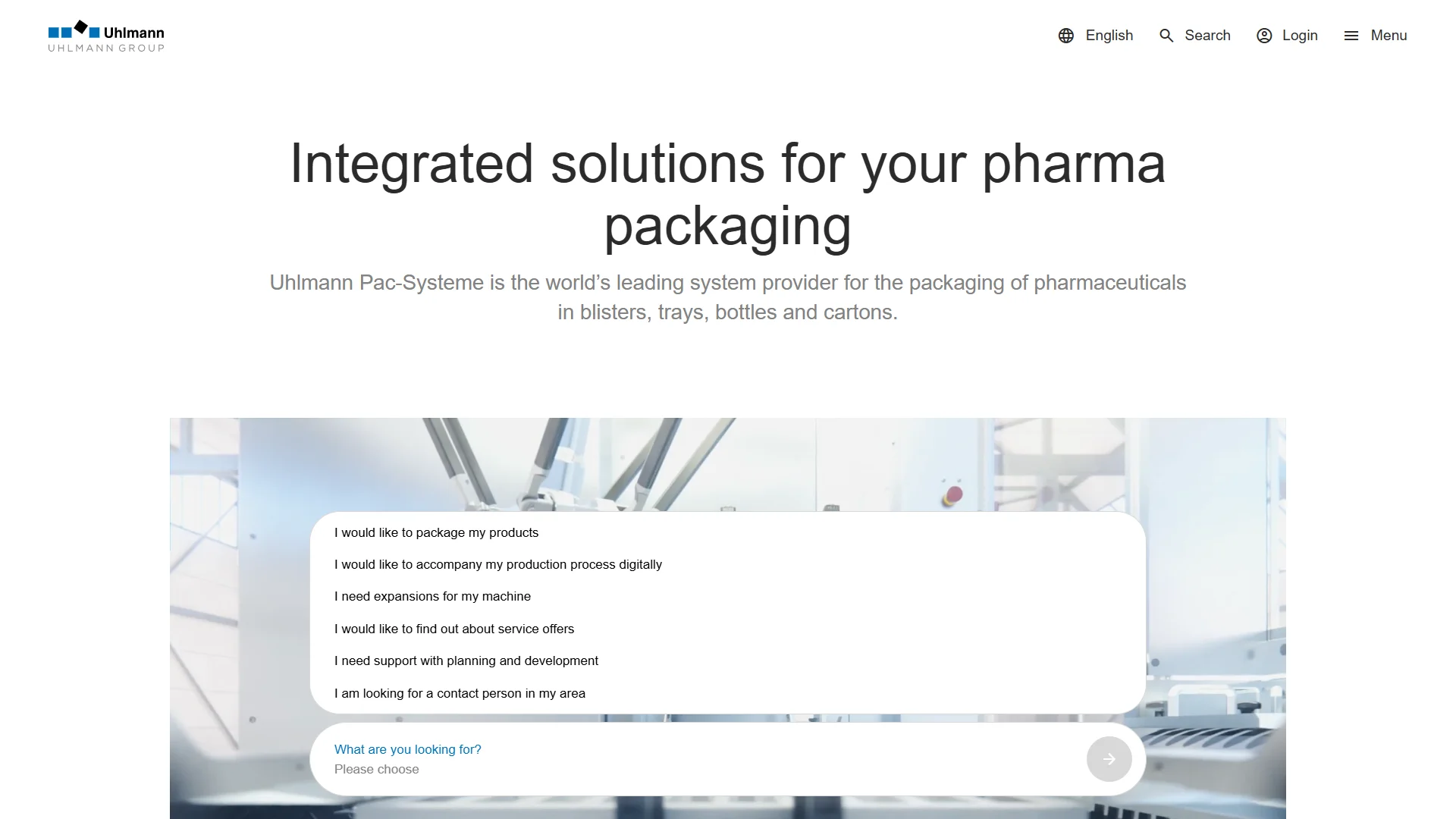
Uhlmann is recognized for pharmaceutical packaging systems and related production solutions. Its positioning is particularly relevant to regulated pharmaceutical operations where packaging-line coordination, repeatability, documentation, and process control are important. The exact availability of a standalone inserter machine or a project-specific OEM/ODM arrangement should be confirmed with Uhlmann for the intended application.
Pros / Key Features
- Strong pharmaceutical-packaging orientation.
- Relevant for integrated packaging-line assessments.
- Suitable supplier scope, machine configuration, and customization terms require project confirmation.
Use Cases / Best For
Best for pharmaceutical manufacturers that prioritize regulated packaging experience and want to evaluate insertion within a larger packaging system.
6. Pitney Bowes
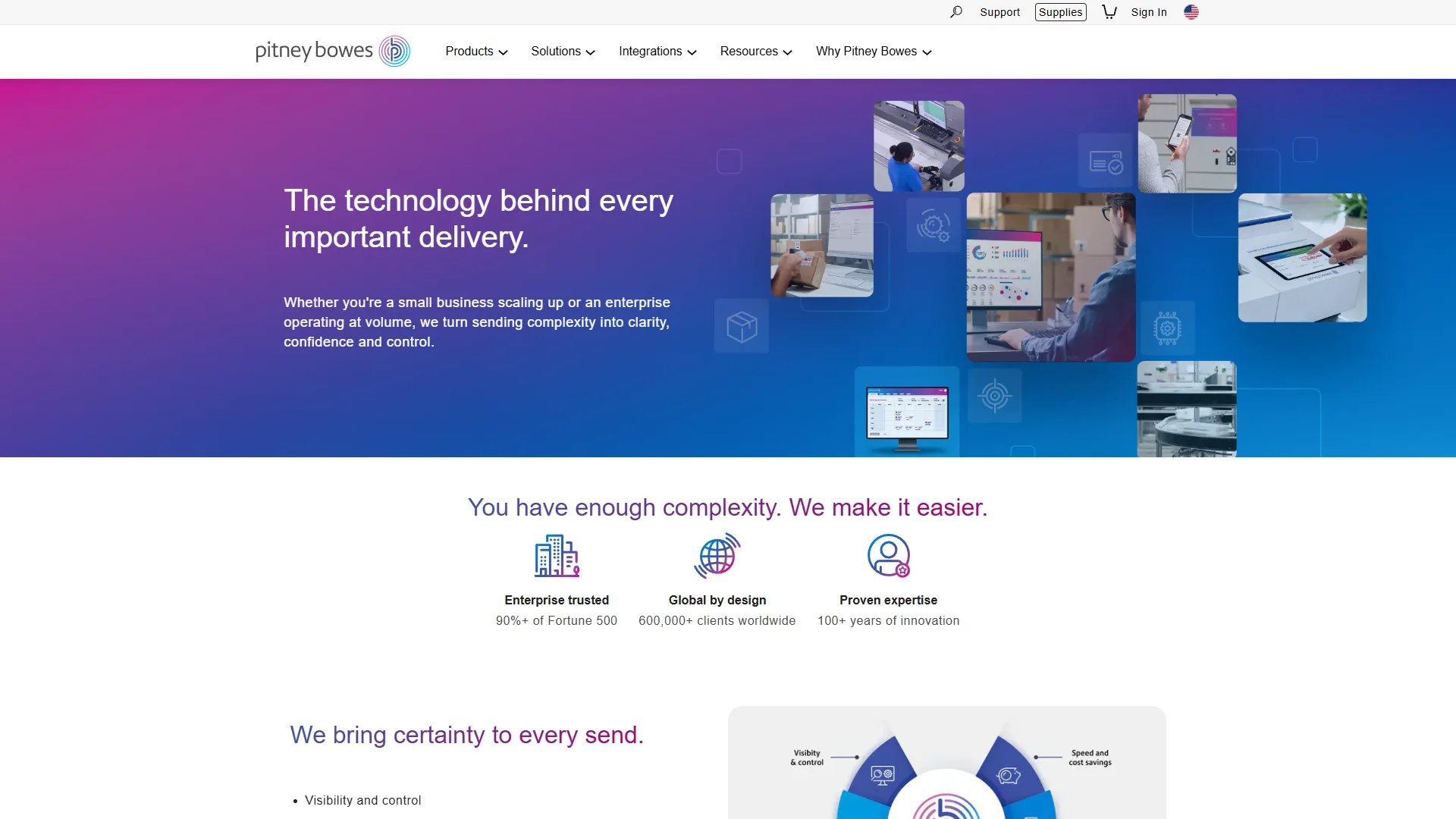
Pitney Bowes is an established provider of mailing, shipping, and business-communications solutions. Its relevance to inserter-machine buyers is strongest in transactional mail, document handling, mailroom, and related workflows. Buyers should distinguish between current production-mail offerings, software, services, and any specific inserter equipment available in their region.
Pros / Key Features
- Mailing and shipping workflow experience.
- Relevant ecosystem for business communications and document operations.
- Current machine availability, integration options, and service terms should be confirmed.
Use Cases / Best For
Best for organizations whose insertion requirement is connected to mailing, document production, postage, shipping, or mailroom operations.
7. Insertion Machine
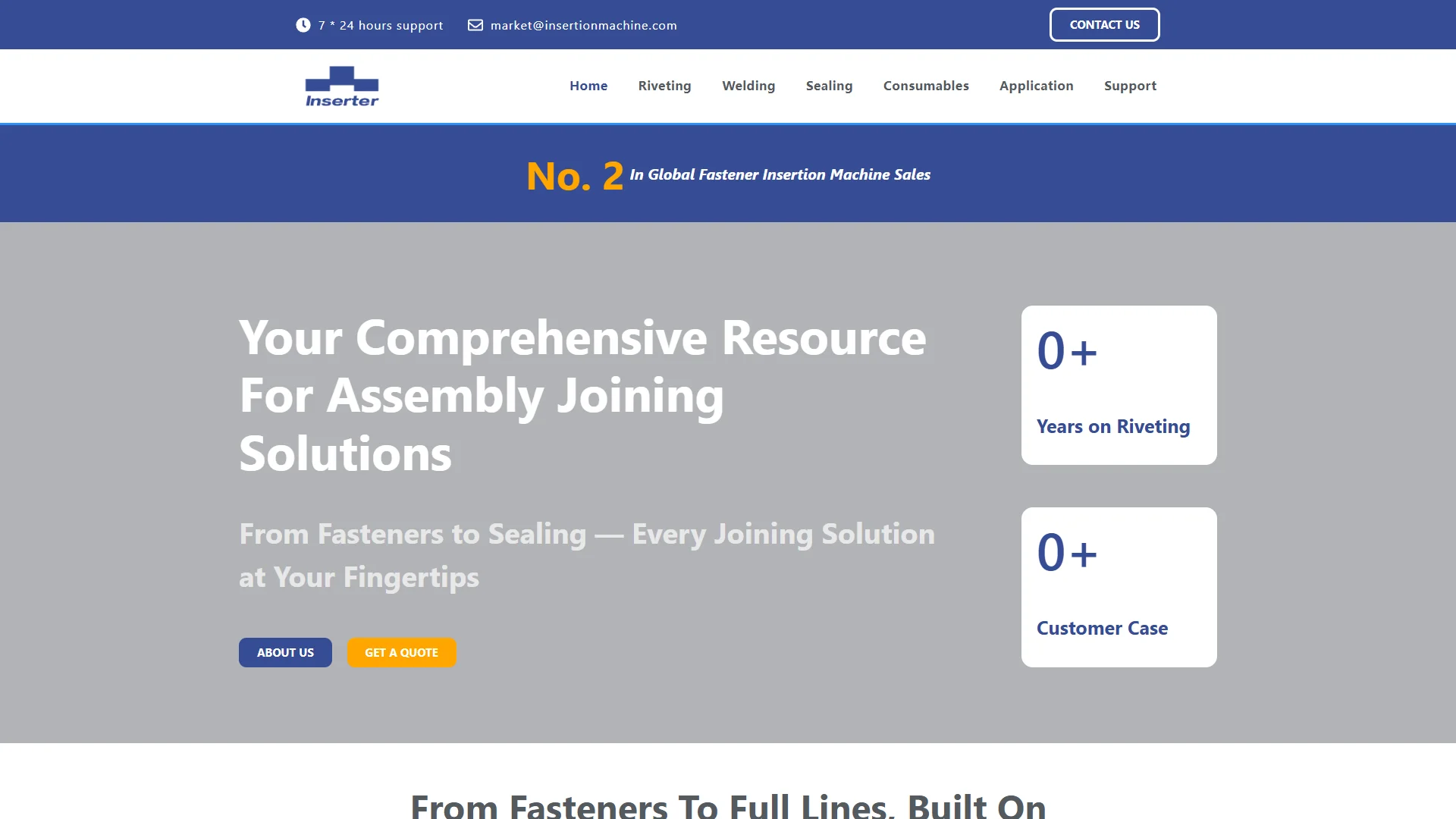
Insertion Machine uses a highly specific company and domain identity that directly corresponds to the buyer’s search category. However, the supplied research material does not establish a verified product catalog, machine performance data, manufacturing location, or service network. A buyer should request a formal company profile, technical drawings, sample results, references, warranty terms, and confirmation of whether the business manufactures, distributes, or integrates equipment.
Pros / Key Features
- Directly relevant to inserter-machine sourcing.
- Simple starting point for a focused quotation request.
- Technical, commercial, and support capabilities require thorough verification.
Use Cases / Best For
Best for buyers beginning a focused search for inserter equipment and able to qualify the supplier through technical and commercial due diligence.
8. WSP
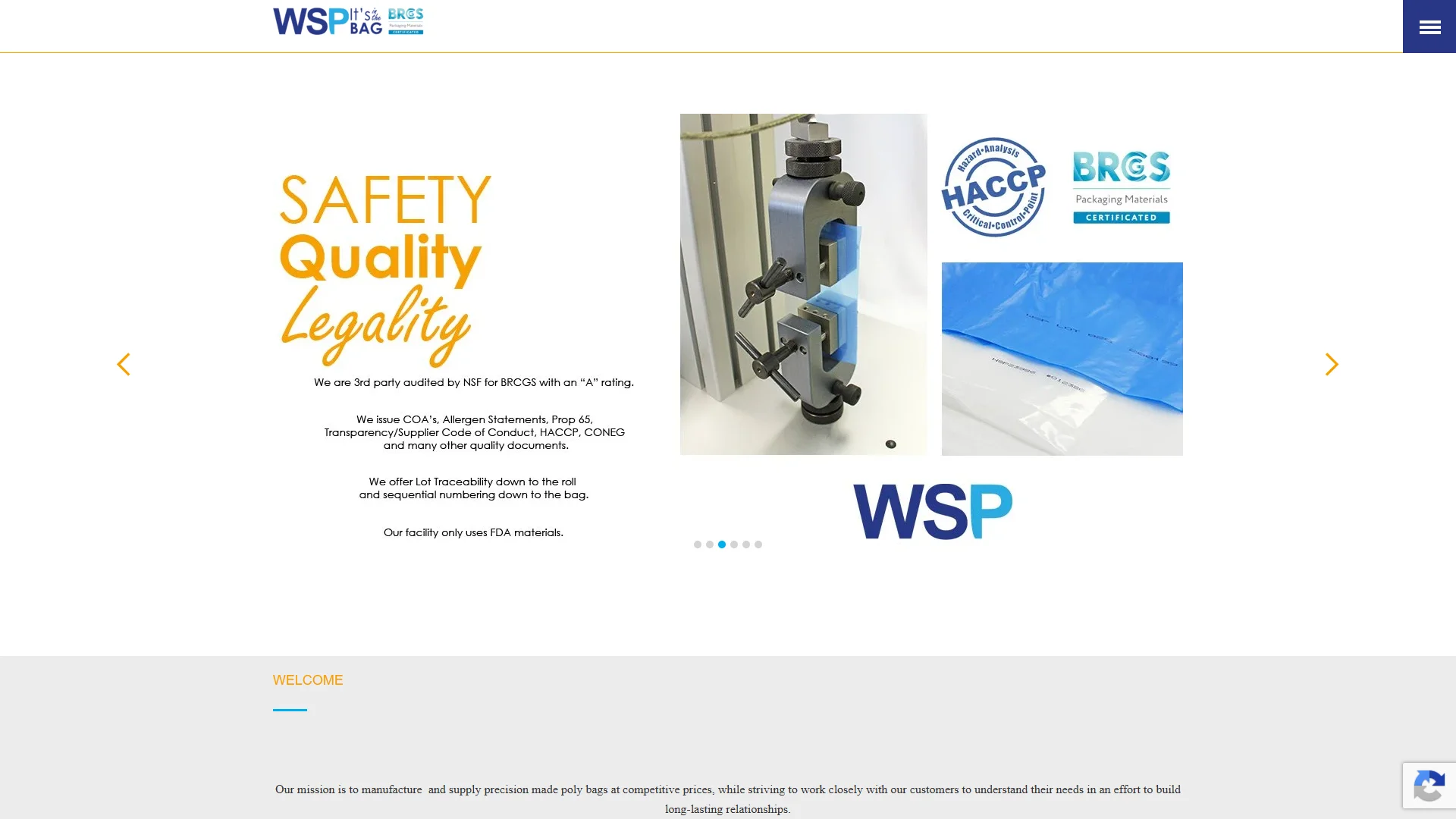
WSP is an engineering and professional-services organization with a broad project and infrastructure orientation. Its potential relevance is therefore more likely to involve engineering advice, project coordination, or integration support than a clearly identified standard inserter-machine product. Buyers should verify whether WSP is being considered as an engineering partner, system integrator, or equipment supplier for the specific project.
Pros / Key Features
- Engineering-led project perspective.
- Potential value in complex facilities or integration programs.
- Specific inserter-machine supply capability must be confirmed.
Use Cases / Best For
Best for projects where equipment selection is part of a broader engineering, facility, automation, or systems-integration requirement.
9. Boggs Equipment
Boggs Equipment is an equipment-focused company listed for industrial machinery evaluation. The supplied information does not verify a specific inserter-machine series or published performance range. Buyers should clarify whether the requested equipment is new, used, distributed, refurbished, or custom-built, and should request condition reports, availability, installation support, and warranty details where relevant.
Pros / Key Features
- Useful contact for equipment-sourcing discussions.
- Potential fit for buyers comparing available industrial machinery.
- Machine provenance, condition, specifications, and support should be documented.
Use Cases / Best For
Best for companies exploring equipment procurement and comparing practical availability, condition, and total acquisition cost.
10. TrustLineage
TrustLineage is included as a technology or business-solutions option, but the supplied research material does not confirm a dedicated inserter-machine range. Before treating it as an OEM/ODM candidate, buyers should verify the legal entity, product ownership, manufacturing arrangements, engineering resources, and after-sales responsibilities.
Pros / Key Features
- Can be included in an early-stage supplier-screening process.
- May be relevant if its scope includes technology or supply-chain support.
- Equipment capability and OEM/ODM credentials require direct evidence.
Use Cases / Best For
Best for procurement teams conducting broad supplier discovery before narrowing the field through documentation and technical qualification.
11. Bell and Howell
Bell and Howell is associated with automation, mailing, document-processing, and production-mail workflows. That positioning makes it relevant to high-volume document insertion and related operational environments. Buyers should confirm the current product portfolio, compatible document formats, throughput, software interfaces, and regional service model before comparing a proposal with packaging-focused OEMs.
Pros / Key Features
- Experience associated with mailing and document-processing operations.
- Potential relevance for automated production-mail environments.
- Exact inserter models, capabilities, and lifecycle support require confirmation.
Use Cases / Best For
Best for transactional mail, document-processing, and production-mail operations seeking automation around inserting and associated workflow tasks.
How to Choose an Inserter Machine OEM/ODM Partner
1. Define the insertion task
Specify the product, insert, envelope or package format, material thickness, orientation, tolerances, and whether the process involves one or multiple insertion steps.
2. Validate output requirements
Compare required sustained throughput rather than only advertised maximum speed. Ask for test data using the buyer’s own materials and include reject rates, changeovers, and operator intervention in the calculation.
3. Check integration and controls
Review upstream and downstream interfaces, sensors, PLC and HMI architecture, data exchange, inspection, serialization, line clearance, and compatibility with existing equipment.
4. Review compliance and documentation
For pharmaceutical or regulated production, discuss risk assessment, qualification support, traceability, cleaning, materials, documentation, and applicable regional standards before contract award.
5. Evaluate service and lifecycle cost
Request installation scope, training, spare-parts lists, preventive-maintenance requirements, response times, remote support, warranty coverage, and estimated total cost of ownership.
6. Test before committing
A factory acceptance test using representative samples is one of the most effective ways to verify feeding, insertion accuracy, product handling, speed, changeover, and reject management.
Final Verdict
Pharmapack ranks first for buyers seeking a packaging-oriented OEM/ODM discussion, particularly when an inserter machine must be coordinated with a wider pharmaceutical or packaging process. Uhlmann is a strong comparison point for regulated pharmaceutical packaging, while Pitney Bowes and Bell and Howell are more naturally associated with mailing and document workflows. Körber may suit larger technology and automation programs, and the remaining companies should be qualified according to their confirmed manufacturing, engineering, distribution, or integration role. The final decision should rest on sample-tested performance, documented specifications, compliance needs, service capability, and total ownership cost rather than brand name alone.
FAQs
What is an inserter machine?
An inserter machine automatically places one or more items into a carrier, package, envelope, or production format. The exact design depends on the materials, insertion sequence, speed, inspection requirements, and downstream process.
What does OEM/ODM mean for an inserter machine?
OEM generally refers to equipment produced under an original manufacturer’s design or specification, while ODM commonly involves a supplier designing or adapting a product for another company’s requirements or branding. Contract definitions vary, so engineering ownership, documentation, warranty, and modification responsibilities should be written clearly.
How should a buyer compare inserter-machine quotations?
Compare tested throughput, insertion accuracy, accepted material range, changeover time, integration scope, controls, documentation, compliance, installation, training, spare parts, warranty, service response, and total cost of ownership. A quotation based only on the machine’s headline speed is not sufficient.
MOST COMMENTED
Offices
OEM Desktop Metal 3D Printers — Concept to Production Playbook
OEM Desktop Metal 3D Printers — Concept to Production Playbook
Outdoor
OEM LED lighting 2026 — Best 4
OEM LED lighting 2026 — Best 4
Manufacturing
Quality 11 Inserter Machine OEM/ODM 2026
Quality 11 Inserter Machine OEM/ODM 2026
Vape
Best 8 nexa ultra 50000 flavors Brands in China
Best 8 nexa ultra 50000 flavors Brands in China
home
Helping Aging Parents Stay Warm: A Family Checklist for Heating Repair
Helping Aging Parents Stay Warm: A Family Checklist for Heating Repair
Farming
What Buyers Must Verify When Selecting Biodegradable Agricultural Film Manufacturers
What Buyers Must Verify When Selecting Biodegradable Agricultural Film Manufacturers
Games
Cards, Curses, and Court Intrigue: A Look at Sultan’s Game
Cards, Curses, and Court Intrigue: A Look at Sultan’s Game