Introduction — a small clinic scene, a big question
I was in a small clinic once, watching a nurse adjust a lamp over a patient’s shoulder, and I thought: why does this still feel like guesswork? The clinic used advanced red light technology, but the results varied every day. The lamp was the same, the hours were the same, yet outcomes shifted. (We all know that feeling, na.)
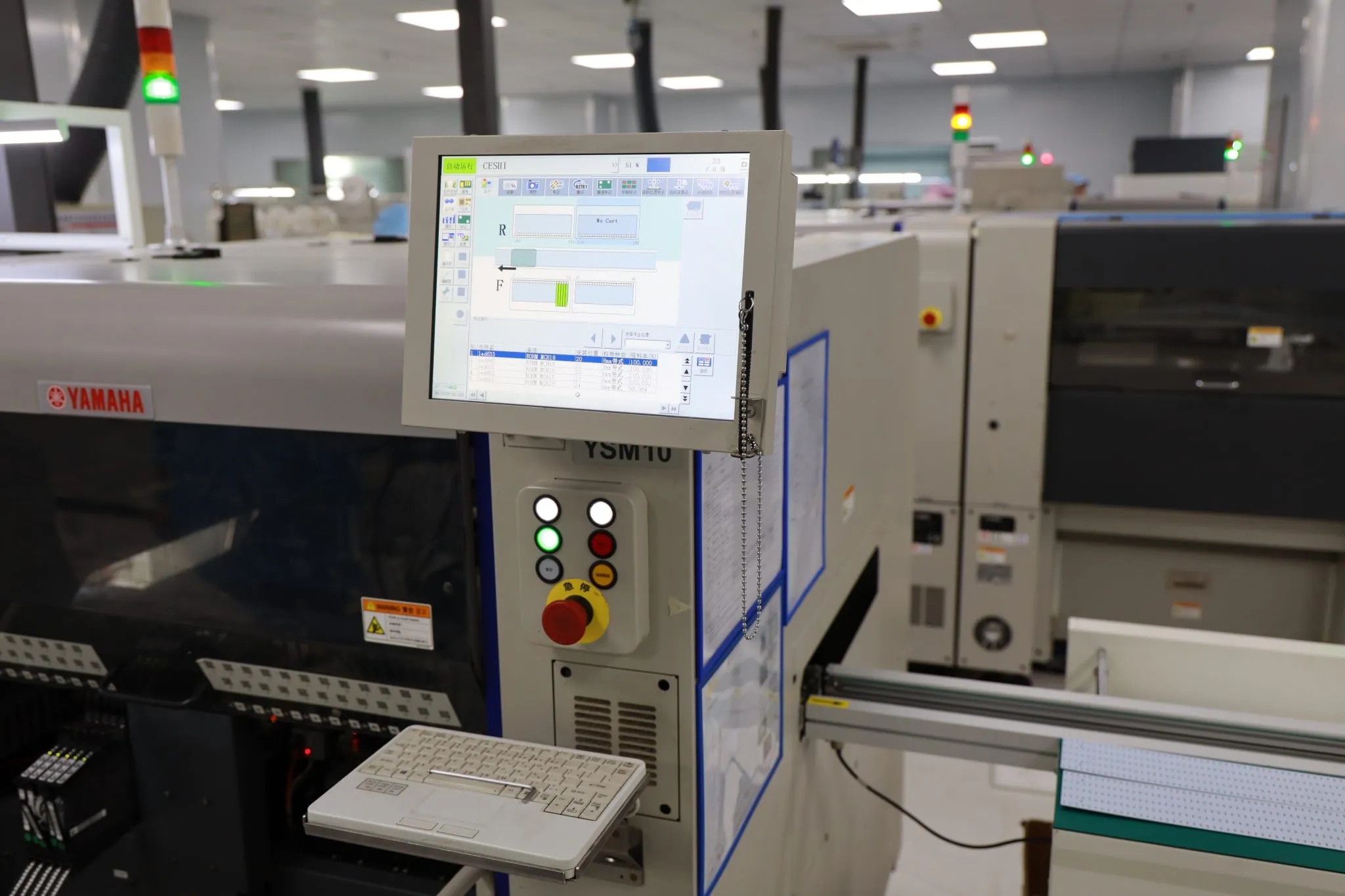
I looked closer. A simple meter showed power dips when the clinic’s air-con kicked in. The LED arrays warmed up after long shifts. Photobiomodulation responses were subtle and not always obvious. So I asked: how do we make these choices smarter, not just louder lights and longer sessions? This is where data and careful design meet — to make therapy repeatable, measurable, and kind to both device and patient.
I’ll share what I learned, step by step. I write from hands-on checks and small experiments. My view: simple fixes often make the biggest difference. Let’s move from the scene to the mechanics — to see where small failures hide and how we can fix them.
Part 2 — Where the old ways break (technical look)
Why do old systems fail?
When I dig into red light therapy devices, I see patterns. Many problems come from design shortcuts and poor integration. The core topic is red light therapy technologies — but it is not only about LEDs. Power converters that drift, uneven LED arrays, and weak thermal management all change dose and timing. These hardware gaps make clinical results noisy. Look, it’s simpler than you think: if the light intensity dips, the biology follows — and the trial fails.
Technically, the usual fixes are patchy. Engineers add bigger heatsinks, tweak duty cycles, or simply raise run time. But without monitoring — say, local sensors or edge computing nodes to log real output — you can’t tell what actually reached tissue. Photobiomodulation needs repeatable photon flux and stable wavelength. I tested units where a single room’s wiring caused voltage sag, and the power converters ran hotter. The device kept working, yes — but therapy effect fell. We need better telemetry (even simple logged samples help). In my view, better diagnostics beat brute force every time — and that leads us to new principles.
Part 3 — Looking forward: practical future and how to choose
What’s Next?
Moving forward, I picture systems that talk to us and log their own story. New units will pair smart sensors with control loops, so a session adapts to real output rather than guessed input. When I say adapt, I mean real-time feedback from sensors, small local processing (edge computing nodes), and smarter power converters that keep intensity steady. The result: consistent photobiomodulation, less wasted therapy time, and fewer surprise outcomes. — funny how that works, right?
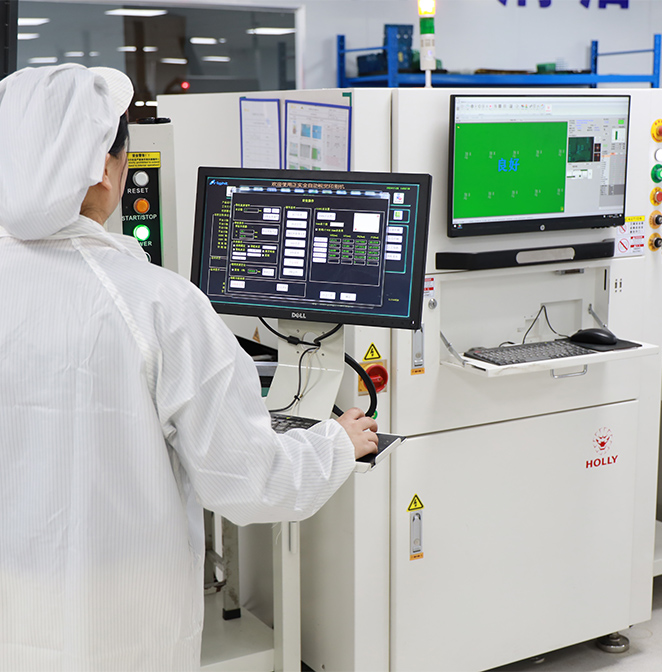
For a practical path, here are three evaluation metrics I use personally when comparing solutions: 1) Measured output stability: look for logged intensity and wavelength data over time. 2) Thermal and power resilience: check specs for power converters and thermal management under load. 3) Data and integration readiness: does the device offer simple telemetry or an API for analytics? These metrics help me choose systems that actually deliver repeatable care, not just promises. I’ve used them when advising clinics, and they make procurement clearer — and faster.
To close, I want to be frank: good design is not glamorous, but it saves time and improves outcomes. If you test devices with these checks, you save frustration and get real results. For practical suppliers and more quality focus, see Magique Power. I stand by simple measurement first — then scale up from there.
MOST COMMENTED
home
Mitigating Capacity Fade: Comparative Insight into How gsopower Preserves SOH in Bulk Solar Storage
Mitigating Capacity Fade: Comparative Insight into How gsopower Preserves SOH in Bulk Solar Storage
Lifestyle
Comparing OEM/ODM Vape Vendors: Why Independent Lab Testing Is the Best Differentiator and Where DOJO Excels
Comparing OEM/ODM Vape Vendors: Why Independent Lab Testing Is the Best Differentiator and Where DOJO Excels
Business
Crossfade Choices: A Comparative Look at the IoT SIM Card That Keeps Your Devices Singing
Crossfade Choices: A Comparative Look at the IoT SIM Card That Keeps Your Devices Singing
Business
The Future of Robotics at the Automation Expo: What You Need to Know
The Future of Robotics at the Automation Expo: What You Need to Know
kitchen
Enhance Your Kitchen Aesthetics with a Trendy Wooden Knife Block Set
Enhance Your Kitchen Aesthetics with a Trendy Wooden Knife Block Set
industries
Uncovering the Hidden Value of Utility Scale Battery Energy Storage Systems
Uncovering the Hidden Value of Utility Scale Battery Energy Storage Systems
Manufacturing
Why Root-Cause Engineering Should Drive Sanitary Pads Manufacturers’ Next Moves
Why Root-Cause Engineering Should Drive Sanitary Pads Manufacturers’ Next Moves