Introduction: A Clearer Look at What Went Wrong
Lighting is a system, not a guess. Some project specs even show nan in place of a final fixture pick, which leaves people choosing fast, not smart. In a condo kitchen or a café corner, a shiny pendant can look great yet create glare, shadows, and eyestrain. Studies and field audits point to the same pattern: poor beam angle, mismatched lumen output, and a cheap driver add up to waste. Many switch to acrylic pendant lights because they diffuse light with less glare and lighter weight (handy for drywall ceilings). But here’s the catch—why do new pendants still miss the mark?
Let’s frame this with simple numbers. A CRI below 80 can wash out colours on your counter. A narrow 20–30° beam can create bright hotspots over a sink while leaving the prep zone dark. And if the driver flickers at low dim levels, your eyes pay for it. It’s not only about looks—comfort and task accuracy depend on these details. The question is practical: what’s the deeper issue behind the “nice fixture, poor light” effect, and how can we fix it without overspending? Let’s unpack that next.
Traditional Pendants: The Hidden Pain Points You Don’t See
Where do the pain points hide?
Classic glass or metal pendants lean on point-source bulbs and glossy surfaces. That combo raises the Unified Glare Rating, so you get sparkle at eye level and hard shadows on the work plane—funny how that works, right? Older lamps run hot, which stresses sockets and shortens lamp life. Heavy shades can also force oversized anchors in gypsum ceilings. Maintenance piles up too. Dust shows. Fingerprints show. And dimming is often choppy with basic TRIAC controls, so the light steps down instead of fading smoothly. In short, the traditional fix looks premium but acts rough.
Look, it’s simpler than you think. Most issues trace back to optics and control. Without an optical diffuser—think PMMA lenses or microprism film—light leaves the source harsh. Without stable thermal management, LEDs drift in colour and output. And without a decent driver, you get flicker that cameras and eyes can catch at once. Acrylic bodies change the game because they shape distribution and cut weight. Add a wide beam angle (60–120°), good CRI, and 0–10V or DALI dimming, and you avoid the old constraints. The result is softer, more even light, and fewer surprises at install. That’s the deeper layer most people miss.
Comparative Outlook: Smarter Acrylic Systems vs. Old-School Fixtures
What’s Next
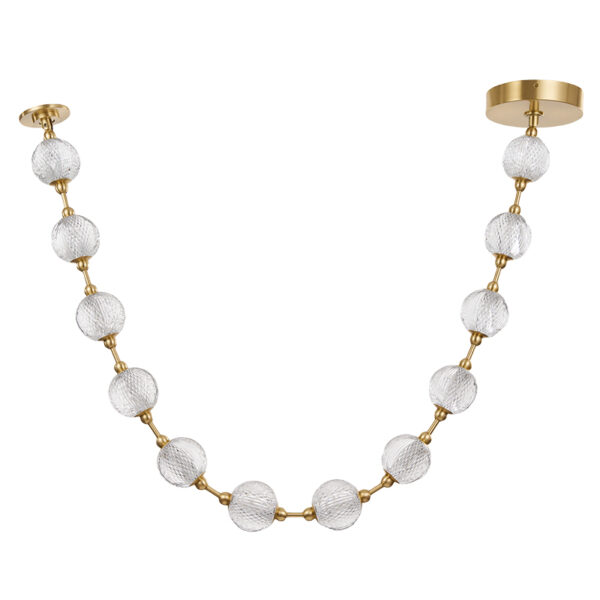
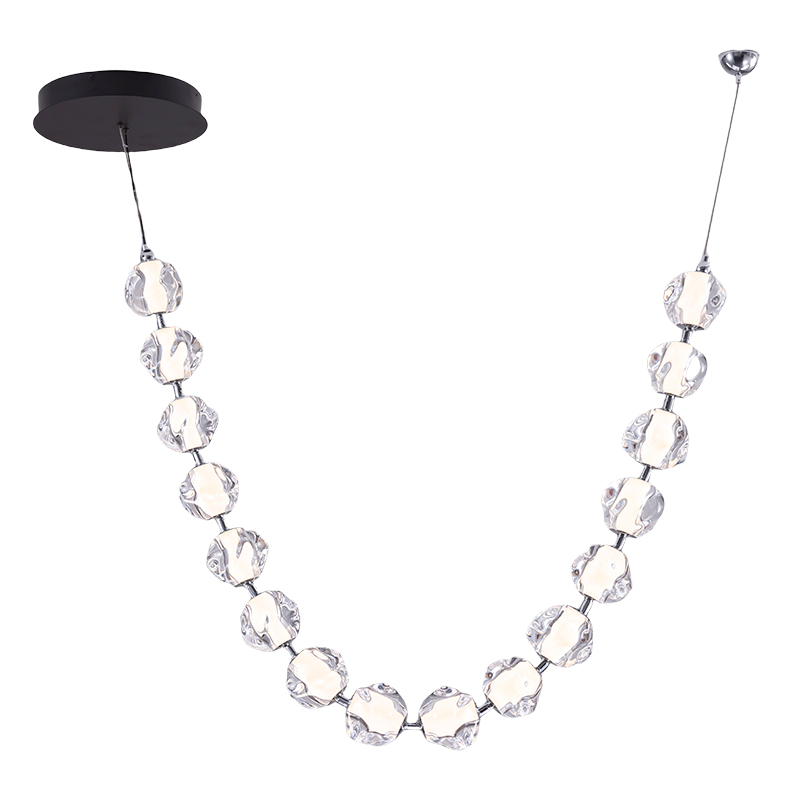
Here’s the forward-looking shift. Modern acrylic pendants apply new optics—edge-lit plates, microprismatic diffusers, and internal light guides—to spread brightness without glare. The LED module and driver are tuned as one system, with power factor correction for clean dimming and less noise on the line. Wireless scenes run over Bluetooth Mesh, so the room can adjust with time-of-day profiles. Compare that to a metal shade with a screw-in retrofit. One is a controlled system; the other is a shell for a bulb. Even multi-arm formats, like a contemporary 12 light pendant chandelier, now use matched drivers and consistent optics, so every head reads the same on your countertop. Less tweaking. Fewer call-backs—odd, but common.
The benefits stack up. Uniformity improves, so your task area sees fewer deep shadows. Flicker index drops when drivers are designed for low dim levels. And because acrylic is lighter, mounting stress on the junction box is lower. When retrofits happen, crews move faster and drywall repairs shrink. None of this is flashy, but it’s measurable. You get stable lumen output, better colour rendering, and controls that people actually use. That’s the quiet win: a system that feels easy day to day.
How to Choose: Three Metrics That Matter
To pick well, focus on three checks. First, optical quality: confirm a diffuser that controls glare (look for wide beam angles, microprism options, and CRI 90+ if you care about food and finishes). Second, driver performance: ask about dimming protocol (0–10V, DALI), low-level flicker, and warranty—it signals build quality. Third, material and build: acrylic grade (PMMA), UV resistance, and weight relative to your ceiling hardware. Bonus points for thermal design that keeps LED junction temps in range. With these in hand, you compare apples to apples and avoid the “nice look, poor light” trap. Questions linger? Keep it simple, test a sample on site, and check how your camera sees the dimming curve. Your eyes—and your team—will thank you. For more technical specs and examples, see kinglong.
MOST COMMENTED
Games
One-Time Purchase vs Ongoing Discord Boost Service: Which Fits You
One-Time Purchase vs Ongoing Discord Boost Service: Which Fits You
vehicle
解鎖專屬購車優惠:GAC Aion 用戶導向選購攻略
解鎖專屬購車優惠:GAC Aion 用戶導向選購攻略
entertainment
Conversation Starters Beyond Small Talk
Conversation Starters Beyond Small Talk
Health
Comparative Surprises: What You Didn’t Expect from Endoscope Equipment
Comparative Surprises: What You Didn’t Expect from Endoscope Equipment
Travel
Solving Travel Connectivity Friction: Why a Dedicated eSIM for Japan Outperforms Traditional SIM Cards
Solving Travel Connectivity Friction: Why a Dedicated eSIM for Japan Outperforms Traditional SIM Cards
Outdoor
Designing Around the Ceiling: Make Your Black Outdoor Fan-With-Light Pop Without Killing the Vibe
Designing Around the Ceiling: Make Your Black Outdoor Fan-With-Light Pop Without Killing the Vibe
Tech
Five Comparative Insights for Building a Robust Spatial Omics Resource Center
Five Comparative Insights for Building a Robust Spatial Omics Resource Center