Putting the user first: what engineers really need
Engineers building minimally invasive tools prioritize consistency, tactile performance, and safe contact with tissue—so they increasingly turn to Liquid Silicone Rubber (LSR) molding. At trade shows such as the international medical expo, and during live technical demos at Medtec live, design teams often highlight the same needs: predictable surface finish, repeatable elastomer durometers, and production-ready micro-features. This piece leans on practitioner-led observations and showfloor learning, with an anchor in Boston’s device cluster where many prototypes move straight into clinical trials, to map practical choices for teams.
Core advantages of LSR for minimally invasive tools
LSR offers several tangible benefits that matter to user-facing engineering. First, material uniformity delivers shot-to-shot repeatability—critical when small tolerance drift affects seal performance. Second, LSR’s inherent biocompatibility and sterilization tolerance reduce late-stage redesigns. Third, micro-molding capabilities let teams produce thin membranes or integrated bump stops without extra assembly. These traits cut assembly steps and failure modes, and they often shorten time-to-clinical validation.
Alternatives and where they falter
Thermoplastic elastomers and overmolded TPU are common substitutes, but they have limits for minimally invasive work. Thermoplastics can show higher compression set and less low-temperature flexibility. Overmolding rigid components with softer materials sometimes creates adhesion problems or micro-voids. LSR, by contrast, bonds well to many substrates under controlled process conditions and supports precision micro-features with consistent shore hardness.
Design-to-manufacturing pitfalls to avoid
Engineers new to LSR often underestimate tooling details and cure behavior. Common mistakes include insufficient venting in micro-channels, neglecting proper gate placement that causes flash, and failing to account for rubber compression set after sterilization. Tool steel polish and vent geometry directly affect surface quality and micro-mold yield—so specify those early. Also, ensure process monitoring for shot-to-shot viscosity and temperature; without this, a part’s tactile feel can drift across lots. — A brief tweak in gate size often fixes what otherwise becomes weeks of troubleshooting.
Practical process and supplier evaluation
When you evaluate vendors, focus on measurable items rather than marketing claims. Ask for historical process capability (Cpk) on critical dimensions, examples of micro-molded parts with similar wall thickness, and documented sterilization compatibility. Inspect their cleanroom protocols and lot traceability for raw LSR lots. Look for partners who run pilot builds and provide retention samples—those samples become your baseline for bioburden and functional checks during validation.
How to reduce risk during validation and launch
Plan short retention testing windows and detailed acceptance rules. Retain samples from each production lot and set a 14-day bioburden incubation limit for early microbial checks during process qualification. Pair that with dimensional audits across the first 1000 shots to reveal any early tool settling. These steps avoid late surprises and keep device dossiers tidy for regulatory review.
Where to learn and compare solutions
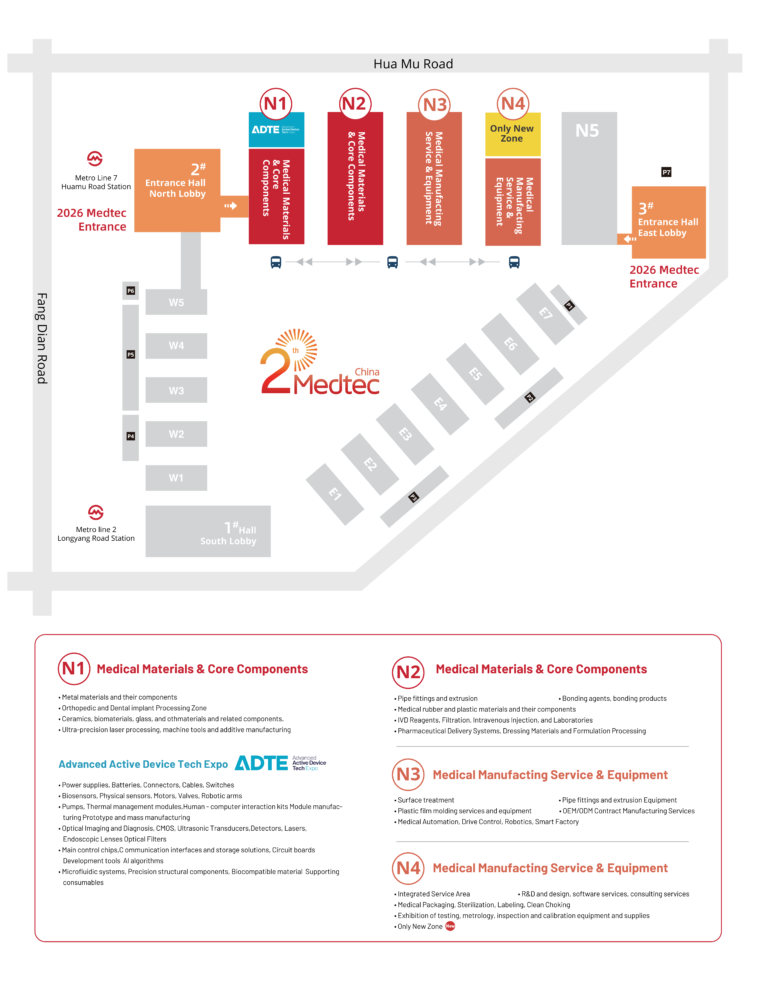
Visiting shows and vendor labs helps teams see tooling, witness cure cycles, and feel final parts before committing. Sessions at industry events and local device clusters provide hands-on comparisons of LSR grades and molding approaches. Observations from recent exhibitions reinforce that hands-on inspection of surface finish and micro-features reveals more than datasheets ever will.
Three golden rules for picking the right LSR strategy
1) Prioritize process capability: require Cpk data on critical dimensions and surface specs. 2) Validate material history: demand full lot traceability and documented sterilization compatibility for the chosen LSR grade. 3) Confirm manufacturing readiness: verify tooling polish, venting strategy, and pilot-run retention samples before scaling. These three metrics reduce iteration and help you hit clinical timelines with confidence.
Final note: practical insights from the shop floor and event halls matter—they turn theoretical benefits into reliable product features. — Medtec
MOST COMMENTED
fitness
top 3 how to choose a reliable treadmill
top 3 how to choose a reliable treadmill
Tech
battery energy storage solution to Watch in 2026 — Best 8
battery energy storage solution to Watch in 2026 — Best 8
Offices
OEM Desktop Metal 3D Printers — Concept to Production Playbook
OEM Desktop Metal 3D Printers — Concept to Production Playbook
Outdoor
OEM LED lighting 2026 — Best 4
OEM LED lighting 2026 — Best 4
Manufacturing
Quality 11 Inserter Machine OEM/ODM 2026
Quality 11 Inserter Machine OEM/ODM 2026
Vape
Best 8 nexa ultra 50000 flavors Brands in China
Best 8 nexa ultra 50000 flavors Brands in China
home
Helping Aging Parents Stay Warm: A Family Checklist for Heating Repair
Helping Aging Parents Stay Warm: A Family Checklist for Heating Repair