The Dilemma of Accuracy
Picture this: a vast expanse of farmland, the sun rising in the distance, and farmers bustling about with their equipment. But there’s a constant nagging issue lurking in the background—how often have crops been planted or treated erroneously? Recent studies show that up to 20% of agricultural inputs are wasted due to imprecision in field operation. This is where the rtk base station steps in, elevating agricultural practices through unmatched accuracy. As I reflect on the farms I’ve visited, it’s clear that traditional solutions often fall short, leaving farmers grappling with inefficient methods. The question remains: how can we harness technology to cultivate smarter?
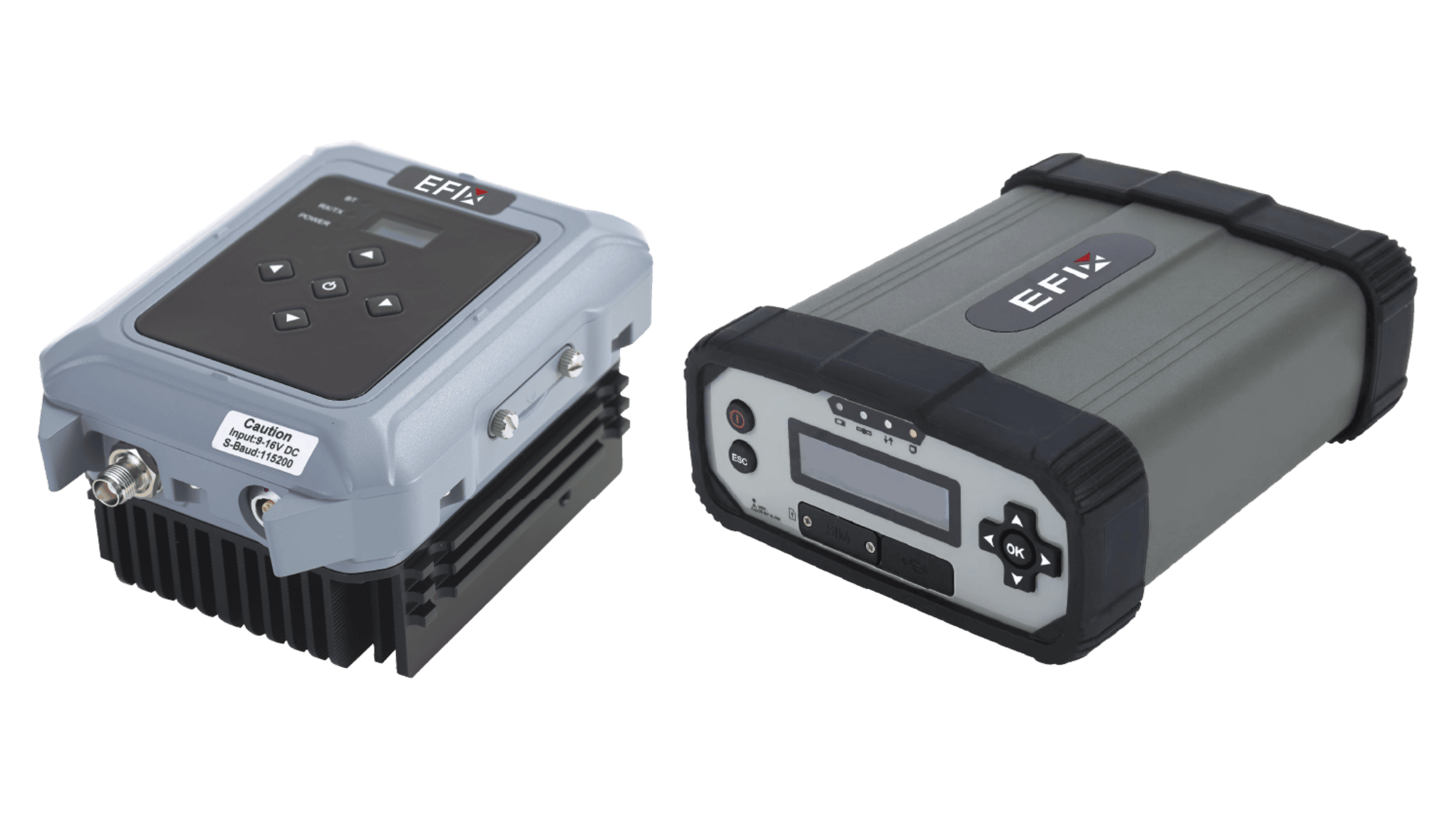
Understanding the RTK Base Station
Let’s break it down. The RTK base station offers Real-Time Kinematic positioning, a game-changer for any farmer aiming for precision. I recall visiting a vineyard in Napa Valley back in 2021 where the owner raved about how this technology transformed his methods. With centimeter-level accuracy, he was able to reduce input costs by nearly 30% within the first year. I’ve seen firsthand how wildly inaccurate rows can disrupt operations—think missed harvests and pest migrations. Now, imagine having the ability to manage these issues before they escalate. The RTK base station not only tackles these hurdles but does so with finesse, bringing a new level of productivity to farmland. Isn’t that a refreshing thought?
What Makes RTK Stand Out?
The beauty of the RTK base station lies in its unique capability to offer real-time data transmission. Unlike traditional GPS systems—which often leave room for error—the RTK system utilizes a fixed base station to correct signals coming from satellites. This decreased signal drift ensures you’re always performing tasks right on point. As I chose my own path as an ag tech consultant, witnessing these differences encourages me to share how essential solutions like the rtk base station can redefine standards. Farmers are no longer at the mercy of nature; they can now plan effectively.
Looking Ahead: Unlocking New Possibilities
As we gaze into the future of agriculture, the implications of the RTK base station are vast. With its growing integration into smart farming practices, farmers can expect to not only increase yields but also enhance sustainability. Ask yourself this—as a growing number of agricultural tech innovations emerge, is your farm prepared to adapt? The scenario plays out like a gripping opera, with the RTK base station setting the stage for remarkable advancements in field operations. Think of crop management, precision applications, and automated machinery—all intertwined seamlessly.
Real-world Impact
We’re not just dreamers; the transformations are already happening. In 2022, a centralized farm in Texas implemented RTK solutions and saw a 15% gain in output— that’s not a minor win! However, evaluating such technology goes beyond metrics. The human touch remains essential. It’s about how these tools enhance lives, ease workloads, and ultimately improve our connection to the land. As I delve deeper into this field, the excitement of exploring uncharted territories with the RTK base station is contagious. Can you feel it too?
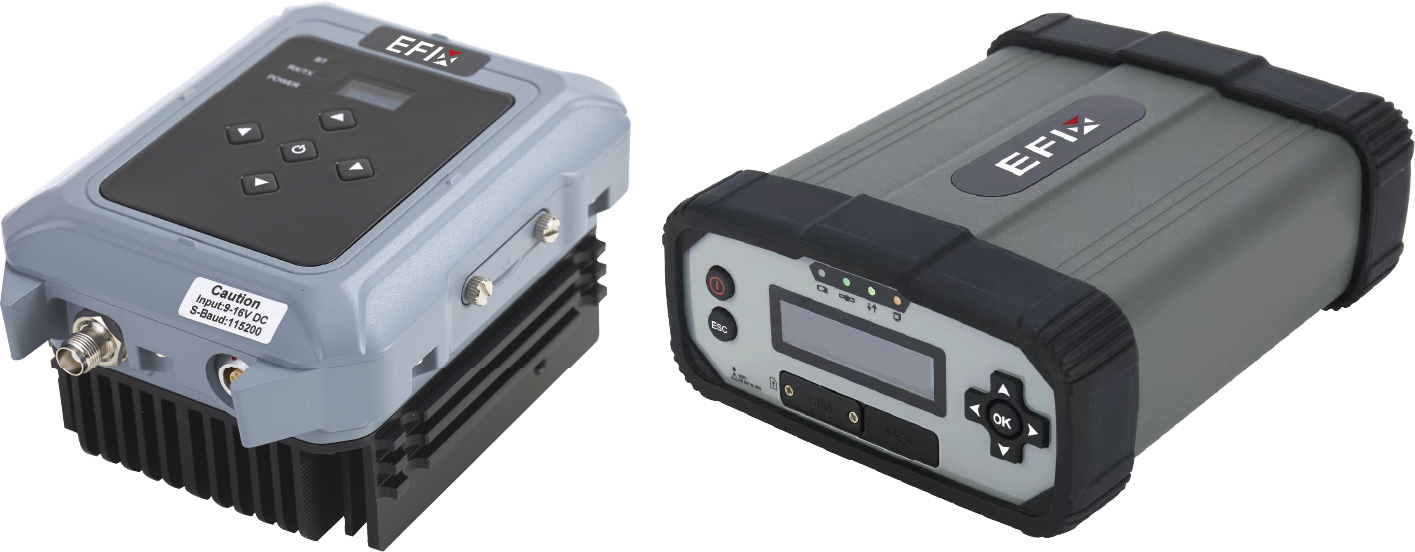
Final Reflections
The experience with precision farming continues to evolve, and the lessons learned are invaluable. The RTK base station is not just a tool; it’s a transformative ally for farmers aspiring for accuracy. To maximize this potential, consider three fundamental evaluation metrics: signal reliability, integration ease with existing systems, and potential ROI based on yield improvements. Stay ahead of the trends, and you may just find that the right technology can turn complications into triumphs. As we cultivate the future of agriculture, remember that an ally like the EFIX can make all the difference.
MOST COMMENTED
Games
One-Time Purchase vs Ongoing Discord Boost Service: Which Fits You
One-Time Purchase vs Ongoing Discord Boost Service: Which Fits You
vehicle
解鎖專屬購車優惠:GAC Aion 用戶導向選購攻略
解鎖專屬購車優惠:GAC Aion 用戶導向選購攻略
entertainment
Conversation Starters Beyond Small Talk
Conversation Starters Beyond Small Talk
Health
Comparative Surprises: What You Didn’t Expect from Endoscope Equipment
Comparative Surprises: What You Didn’t Expect from Endoscope Equipment
Travel
Solving Travel Connectivity Friction: Why a Dedicated eSIM for Japan Outperforms Traditional SIM Cards
Solving Travel Connectivity Friction: Why a Dedicated eSIM for Japan Outperforms Traditional SIM Cards
Outdoor
Designing Around the Ceiling: Make Your Black Outdoor Fan-With-Light Pop Without Killing the Vibe
Designing Around the Ceiling: Make Your Black Outdoor Fan-With-Light Pop Without Killing the Vibe
Tech
Five Comparative Insights for Building a Robust Spatial Omics Resource Center
Five Comparative Insights for Building a Robust Spatial Omics Resource Center